

Choosing the right cover for your boat can significantly affect the lifespan and state of your watercraft. Whether you own a compact kayak, a opulent sailboat, or a fishing boat, the protection offered by a high-quality cover is essential. These covers shield your asset from extreme environmental conditions, UV rays, and potential harm while in storage or during transport. With countless options on the market, deciding on the most suitable cover for your individual type of boat may feel overwhelming.
In this article, we will discuss the best 5 covers tailored to diverse watercraft, taking into account factors such as construction, climate, and the specific requirements of your vessel. We will also delve into the benefits of using a cover and provide insights on how to measure your vessel for the perfect fit, ensuring your vessel stays in top shape for years to come. Join us as we assist you navigate the world of covers and secure the best safeguarding for your cherished watercraft.
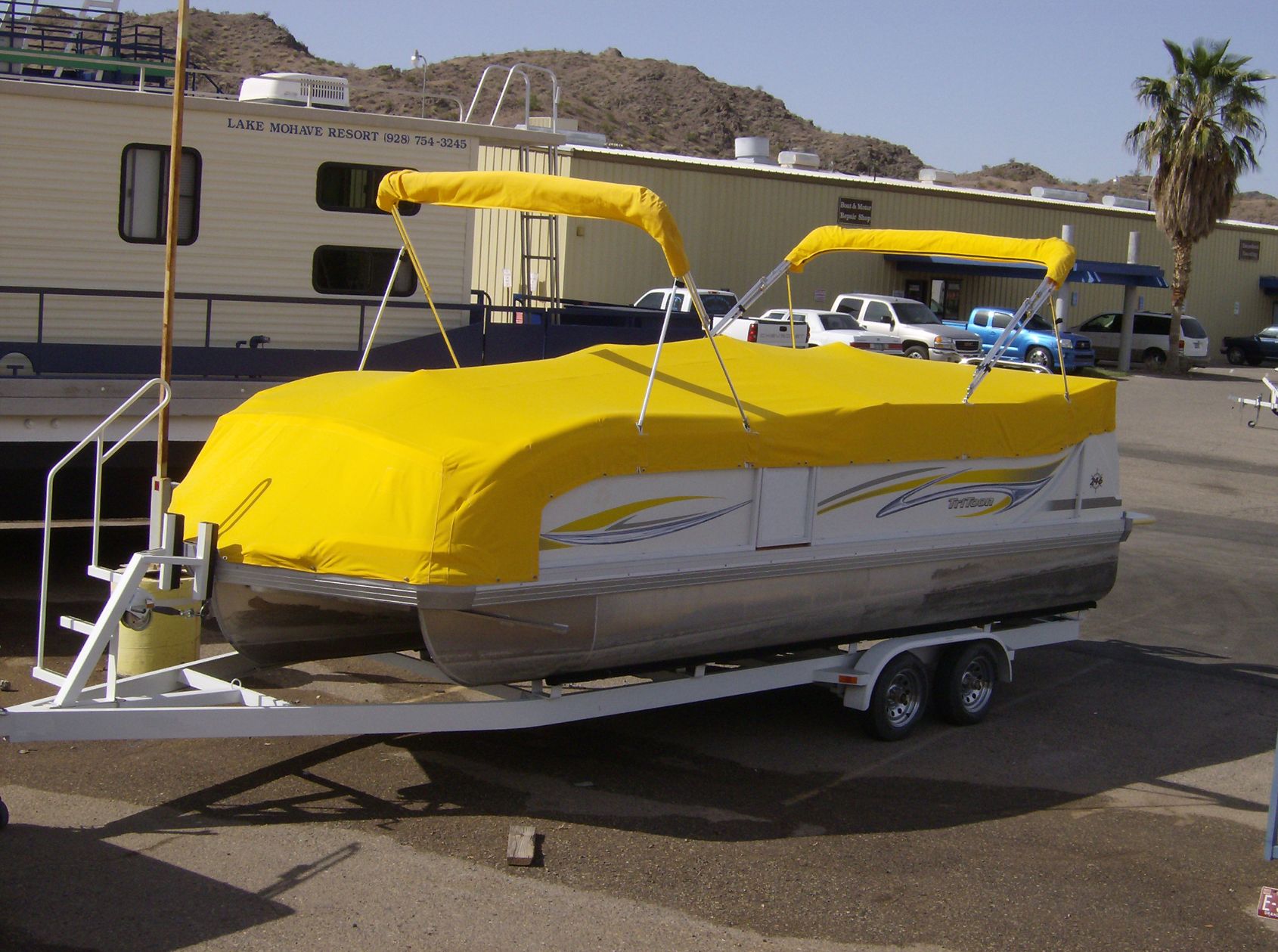
Choosing the Right Boat Cover
Selecting the right boat cover is crucial for guaranteeing your watercraft remains safe from the elements. The perfect cover should not only fit your particular boat model but also consider the material, style, and intended use. Start by measuring your boat precisely and identifying its shape, as this will help you in finding a cover that provides a snug fit, minimizing wind and moisture penetration.
Materials play a crucial role in the longevity and durability of boat covers. When considering options, seek out fabrics that offer durability and defense to UV rays, water, and mildew. Common options include marine canvas and synthetic fabric, each with its own set of pros and disadvantages. Consider the pros and cons to figure out which material best meets your boating lifestyle and typical weather scenarios.
One more important aspect is whether to choose a custom or generic cover. Custom covers are tailored to your boat's dimensions, offering a perfect fit and complete protection. On Canal Boat Covers , universal covers may provide a more cost-effective option but can lack the tight fit and enhanced shielding against potential damage. Evaluate your needs and preferences to make an intelligent decision that correlates with your watercraft investment.
Maintenance and Maintenance for Boat Covers
Effective care and care of your boat tarp are essential to prolong its lifespan and effectiveness. Start by frequently washing your tarp to remove grime, salinity, and additional debris that can cause wear over time. Utilize a soft soap solution and a gentle scrub brush to carefully clean the fabric, then rinse well with clear water. Steer clear of applying harsh cleaning agents or coarse materials, as these can damage the fabric and compromise its safeguarding characteristics.
When idle, store your boat cover in a cool, dry location to prevent mold and mildew growth. Make sure the cover is entirely dry before packing or putting away it away. Consider spending in a storage bag specifically made for boat tarps, which can help safeguard it from dust and pests during the off-season. Furthermore, attempt to refrain from leaving the tarp on the vessel for long durations in harsh elements, as this can result in unwanted wear and tear.
Periodically check your boat cover for signs of issues, such as rips or fraying seams. If you see any problems, address them promptly to prevent further deterioration. Minor repairs can be made using repair kits specifically tailored for boat covers. By adhering to these care guidelines, you will maintain your boat cover in top condition, guaranteeing it continues to safeguard your watercraft investment effectively.
Understanding Various Types of Boat Covers
In terms of choosing a marine cover, it's crucial to primarily comprehend the various kinds available on the market. Marine covers typically fall into three primary types: tailored, semi-tailored, and universal. Tailored covers are uniquely designed to match your marine vessel's specific dimensions, delivering the optimal safeguarding and tight fit. Semi-tailored covers give a superior fit than general options but are not tailored exclusively for a specific type. General covers can fit a range of sizes and shapes, making them a adaptable option, but they may often don't provide the best covering against the elements.
The materials used in marine covers also hold a significant role in their effectiveness. Typical materials include canvas, polyester, and polyethylene. Canvas is strong and delivers excellent UV safeguarding, making it suitable for prolonged use. Polyester is lightweight and often resistant to water, while poly plastic is generally more inexpensive and gives decent protection for temporary use. Each material has its specific benefits and disadvantages, so evaluate your particular needs when picking a cover.
Finally, it's crucial to reflect on the intended purpose of the option. Some covers are developed for transporting, while others are ideal for keeping. Travel covers are generally made from durable materials to endure airflow and driving conditions, while keeping covers may prioritize UV safeguarding and moisture resistance. Comprehending these distinctions will guide you select a cover that not only safeguards your asset but also fits into your marine lifestyle.