

Recently, the rise of unmanned aerial vehicle technology has transformed various industries, and sky-based assessments have been at the leading edge of this change. Drones, fitted with high-definition cameras and sophisticated sensors, are changing the way we execute surveying and mapping tasks. This breakthrough offers a myriad of advantages that enhance efficiency, accuracy, and safety across various sectors, from construction and cultivation to ecological oversight and property management.
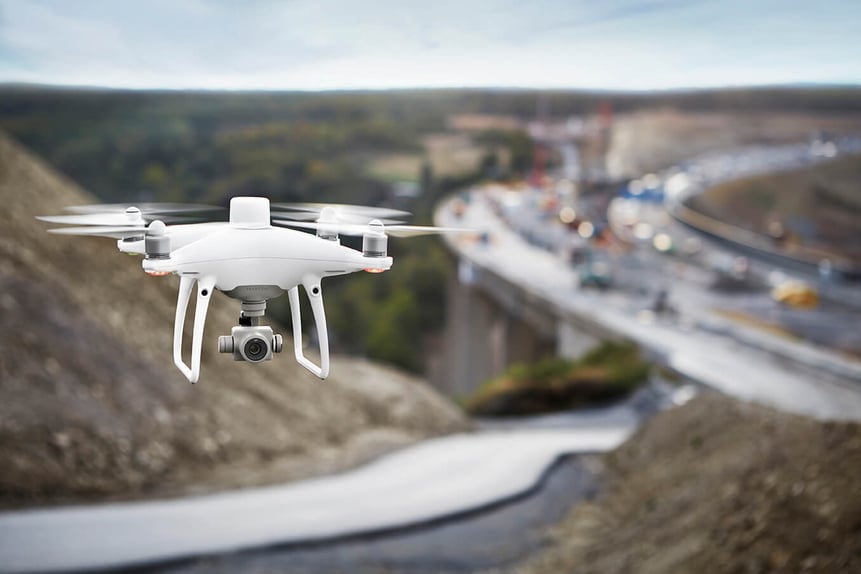
As organizations increasingly embrace drone surveys for their operations, grasping the benefits and applications of this technology becomes crucial. With the ability to gather and evaluate data rapidly and affordably, drone surveys are becoming a game changer. In this article, we will explore the many reasons to use drone surveys, the technology behind them, and how they are transforming industries one flight at a time. Whether you are engaged in property development, structure examination, or farming strategizing, the knowledge gained from drone surveys can significantly improve deliverables and streamline processes.
Benefits of Unmanned Aerial Surveys
Unmanned Aerial surveys offer substantial benefits that make them a popular choice for different industries. One of the primary gains is the ability to obtain precise data from remote areas, greatly lowering the danger associated with legacy surveying methods. Check out this site allows for comprehensive coverage of extensive sites in a small portion of the time, which in turn speeds up project timelines. The potential to operate in difficult terrains and environments improves safety for surveyors while providing critical insights.
Cost efficiency is a further key advantage of employing drone surveys. By minimizing the need for extensive physical labor and custom equipment, companies can considerably cut their operational expenses. Drones can rapidly collect large amounts of data, which decreases the time spent on surveys and thus reduces labor costs. This efficiency leads to increased productivity, allowing firms to take on more projects and ultimately boost profitability.
Additionally, drone surveys contribute to better data quality and accuracy. Modern UAVs are equipped with advanced sensors, including GPS and photogrammetry technology, which provide precise measurements and clear imagery. This precision is especially vital in contexts such as terrain mapping and construction planning, where even small errors can lead to substantial setbacks. Enhanced data quality aids in wise decision-making and long-term project success.
Comparative Analysis: Drone vs. Traditional Surveying
Drone surveying offers a level of speed that traditional surveying methods often fail to compete with. The use of drones allows for rapid data collection over extensive areas, which can considerably reduce the time needed to complete a survey. Unlike conventional methods that may require significant manpower and gear preparation, drones can rapidly traverse a site, collecting high-resolution images and data in a minimal of the time. As a result, project deadlines can be compressed, enabling faster decision-making and project progression.
In terms of cost, UAV surveying can also present considerable advantages. Traditional surveying often incurs high labor costs and may require high-priced equipment rentals. UAVs, on the other hand, make easier the process while also reducing the need for extensive ground teams. The initial investment in UAV technology is gradually offset by the savings in labor and time, making it a cost-effective option for many projects. Additionally, the precision and richness provided by UAVs can enhance the overall quality of the data collected, minimizing the likelihood of significant errors.
Finally, security is a crucial factor where drone surveying outshines conventional methods, especially in risky environments. Conventional surveys might require personnel to work in unsafe conditions, such as on steep edges or over hazardous materials. Drones can safely obtain necessary data without putting workers at risk, leading to more secure project execution. This focus on worker safety, combined with effectiveness and financial efficiency, solidifies drones as a compelling alternative to conventional surveying techniques.
Future Trends in Drone Survey Technology
With the technology behind drones continues to advance, we can expect major improvements in the abilities and implementations of drone surveys. One trend is the incorporation of artificial intelligence and ML in data analysis. Such technologies will enhance the capacity to process big data, allowing for more accurate and efficient results. Real-time data processing is likely to become increasingly common, enabling surveyors to make quick decisions based on up-to-date information.
Furthermore, the progress of advanced sensing technologies will enhance the scope of applications for drone surveys. For instance, the use of heat sensing technology and multispectral sensors can offer greater insights into specific industries, including farming and eco-sustainability tracking. Such enhancements will allow for more accurate assessments, aiding professionals recognize issues like plant vitality or infrastructure integrity with unprecedented effectiveness.
In addition, legal frameworks around drone operations are changing, leading to increased acceptance and integration of drone surveys in various sectors. With regulations become more accommodating, the application of drones in surveying in urban areas and challenging environments is likely to grow. This trend will likely result in a wider set of offerings, boosting project planning, monitoring, and execution across different domains. The outlook of drone survey technology is ready to revolutionize how industries manage mapping, inspection, and data collection.