

In the world of construction, the role of property surveyors cannot be overstated. Such skilled professionals serve as the backbone of any successful building project, ensuring that everything is in its proper place before ground is first touched. From establishing the groundwork for fresh homes to determining property boundaries and resolving disputes, surveyors are essential participants in the construction process. Understanding what a surveyor does and the value they bring can help property owners make informed decisions, avoid costly errors, and navigate the complexities of land ownership.
Conducting a proper land survey is one of the most critical step a property owner can take, especially before making a major investment. A land survey not only defines boundaries but also reveals potential issues that could arise down the line. With advancements in technology such as Global Positioning System and drone surveying, the sector is evolving, making it crucial to stay informed about up-to-date practices. Whether you're thinking about purchasing property, embarking on a different construction project, or facing property disputes, knowledge about the role and importance of surveying can pave the way for successful outcomes.
The Importance of Land Surveyors in Construction Ventures
Land surveyors play a vital role in the construction industry, serving as the foundational professionals who make certain that projects are built correctly and in alignment with legal requirements. Their expertise starts with a thorough understanding of property lines, terrain, and pre-existing services, which is crucial for any development. Before breaking ground, surveyors provide vital information about the site, including height measurements and obstacles, which helps in project planning and contributes to site feasibility assessments.
During the construction phase, land surveyors continuously track and evaluate the development to ensure that all structures are being built to the specified designs and compliance standards. They use state-of-the-art technology, such as Global Positioning System and 3D laser scanning, to create exact models and diagrams that inform construction crews. This protects that every part is properly aligned, thus preventing mistakes that could lead to expensive rework or holdups.
Furthermore, these professionals are key in maintaining compliance with regulations and environmental regulations throughout the building process. They help guide through zoning regulations and regulatory frameworks, preventing possible legal issues that can occur from failure to comply. By providing reliable and dependable data, land surveyors not only play a part in the successful completion of construction projects but also protect the interests of investors and involved parties engaged.
Types of Land Evaluations and Their Importance
Land surveys are vital for a variety of uses, and grasping the distinct types can help property owners make wise decisions before initiating any property transaction or construction project. https://surveyorsberkshire.co.uk/ define the precise boundaries of a property, ensuring that owners are conscious of their limits and can avoid arguments with neighbors. Landform surveys, on the other hand, provide comprehensive information about the elevation and contours of the land, which is essential for planning structures, landscaping, and grading plans.
Another important type of survey is the ALTA/NSPS survey, specifically designed for commercial properties. This survey includes comprehensive information that meets the American Land Title Association and National Society of Professional Surveyors standards, ensuring that buyers have a comprehensive understanding of the property. Additionally, construction surveys assist the placement of structures and improvements on the land, ensuring that projects are carried out precisely according to plans, which helps stop costly errors and delays.
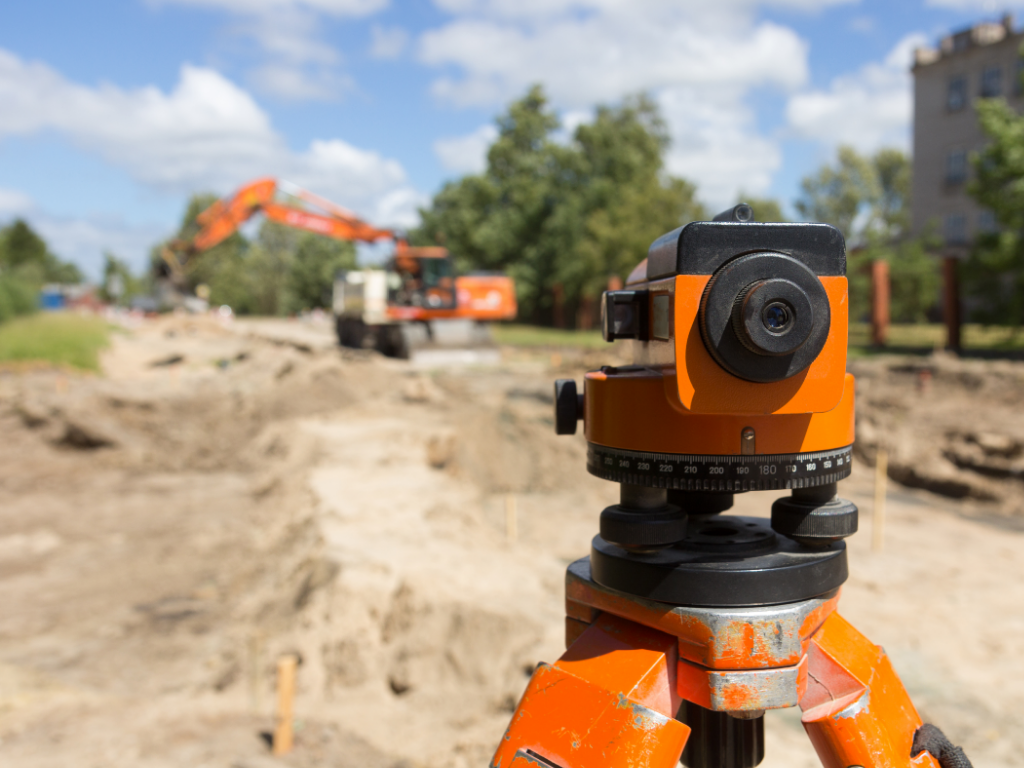
Every type of land survey serves a distinct purpose and can have significant implications for property owners. By understanding the importance of these surveys, property owners can more effectively navigate the complexities of land ownership and development, ensuring adherence to laws and minimizing issues. Securing the appropriate survey at the appropriate time can ultimately save property owners years and money in the end.
Methods of Contemporary Innovation has been Revolutionizing Land Surveying
Combining modern technology within surveying has been changed the field, enhancing precision and efficiency significantly. Old-fashioned surveying methods, that often utilized manual calculations and arithmetic, have been supplemented or replaced by high-tech technologies including GPS and drone surveying. These innovations allow surveyors to reach larger areas with precision while reducing errors, leading to more dependable results.
Drones, especially, have become essential tools in surveying, providing aerial images that aid form detailed topographical maps and models. These devices allow for swift information acquisition from difficult-to-reach areas, which merely speeds up the surveying process but also collects information that might have been difficult to obtain using conventional methods. This feature creates better planning and development of land, as surveyors can visualize the terrain and any existing structures from an elevated perspective.
Additionally, the use of 3D laser scanning in surveying is becoming popular as it offers tremendously detailed and precise representations of the surveyed area. This technology records millions of points in a minimal time, creating a digital twin of the environment that can be studied for various applications, like construction planning or environmental assessments. As these technologies keep evolving and become more available, they are set to reshape surveying practices, ensuring that professionals can offer better results in an always-evolving landscape.