

In the field of modern construction, a building's foundation of a building plays a crucial role in determining its overall stability, safety, and longevity. Among the different types of foundations, piled foundations stand out as crucial elements, especially in terms of supporting tall skyscrapers. These profound foundational systems are designed to transfer the immense loads of big structures to subterranean, more stable soil layers, ensuring that all tallest buildings can endure the forces of nature and the test of time.
Understanding what piling foundations are and why they are crucial is vital for anyone involved in construction or real estate development. If you are a seasoned engineer or just starting in the field, this document will walk you throughout the basics of piling foundations, including how they work, the multiple types at your disposal, and the conditions under which they are necessary. With insights regarding innovations in piling technology and environmental considerations, this article aims to provide a thorough overview, illuminating why piling foundations are often considered the foundation of skyscraper construction.
Understanding Piling Foundations
Pile foundations are customized deep foundations that provide structural support by transferring loads from a building to lower, more stable soil or bedrock layers. These foundations include long, slender columns or piles that are inserted into the ground. Piling is vital in construction where the upper soil layers are too weak to support substantial loads, making it crucial for skyscrapers and other tall structures that demand remarkable stability.
The value of pile foundations lies in their capacity to endure significant forces, including loads from compressive loads, tension, and lateral pressures. By fixing the structure deep into the ground, piles can resist settlement, which is the slow sinking of a structure, making them an optimal choice for high-rise buildings, bridges, and structures built on complex terrains, such as coastal areas or regions with poor soil conditions.
Choosing the correct type of pile foundation is essential to ensuring the stability and longevity of a structure. Engineers analyze various factors, including soil characteristics, load requirements, and environmental conditions, to find the most suitable piling solution. With progress in technology, innovative piling methods and materials continue to emerge, improving the performance and sustainability of pile foundations in modern construction projects.
Types and Applications of Piling
Foundation bases can be categorized into two main types: driven piles and bored foundations. Driven piles are prefabricated and installed by getting driven into the earth using a pile driver, while bored foundations are made by drilling a bore into the ground and then pouring it with cement. The choice between these categories largely depends on the soil type, project requirements, and environmental considerations. Each category has its own set of advantages, making them appropriate for various applications in construction.
The applications of piling foundations are broad and vary based on the type of structure being built. For example, driven piles are often employed in cities for tall structures due to their rapid installation and reduced noise. Bored foundations, on the other hand, are frequently employed in areas where shaking need to be minimized, such as near existing structures or in more difficult geological settings. Additionally, custom foundations like mini piles and tiny piles are utilized in confined areas or for projects requiring less intrusive methods.
In coastal building, piling is essential due to the insecure and often loose ground along shorelines. Here, piles not only carry buildings but also withstand lateral forces from waves and tidal movements. Using suitable piling methods in these settings ensures that buildings can endure the unique challenges posed by their environment, highlighting the importance of selecting the appropriate type of foundation suited to specific site conditions and structural needs.
Installation and Development Factors
When organizing the implementation of piling bases, contractors must take into account various site-specific factors that influence design and execution. https://pilingcontractorsderbyshire.co.uk/ , weight specifications, and ecological factors all play a crucial part in the choice of pile type and method of installation. Conducting comprehensive soil investigations helps determine soil characteristics and stability, guiding engineers in determining whether to use impact or bored piles. Proper evaluation ensures that the identified foundation system can properly support the planned load while minimizing threats associated with soil settlement and instability.
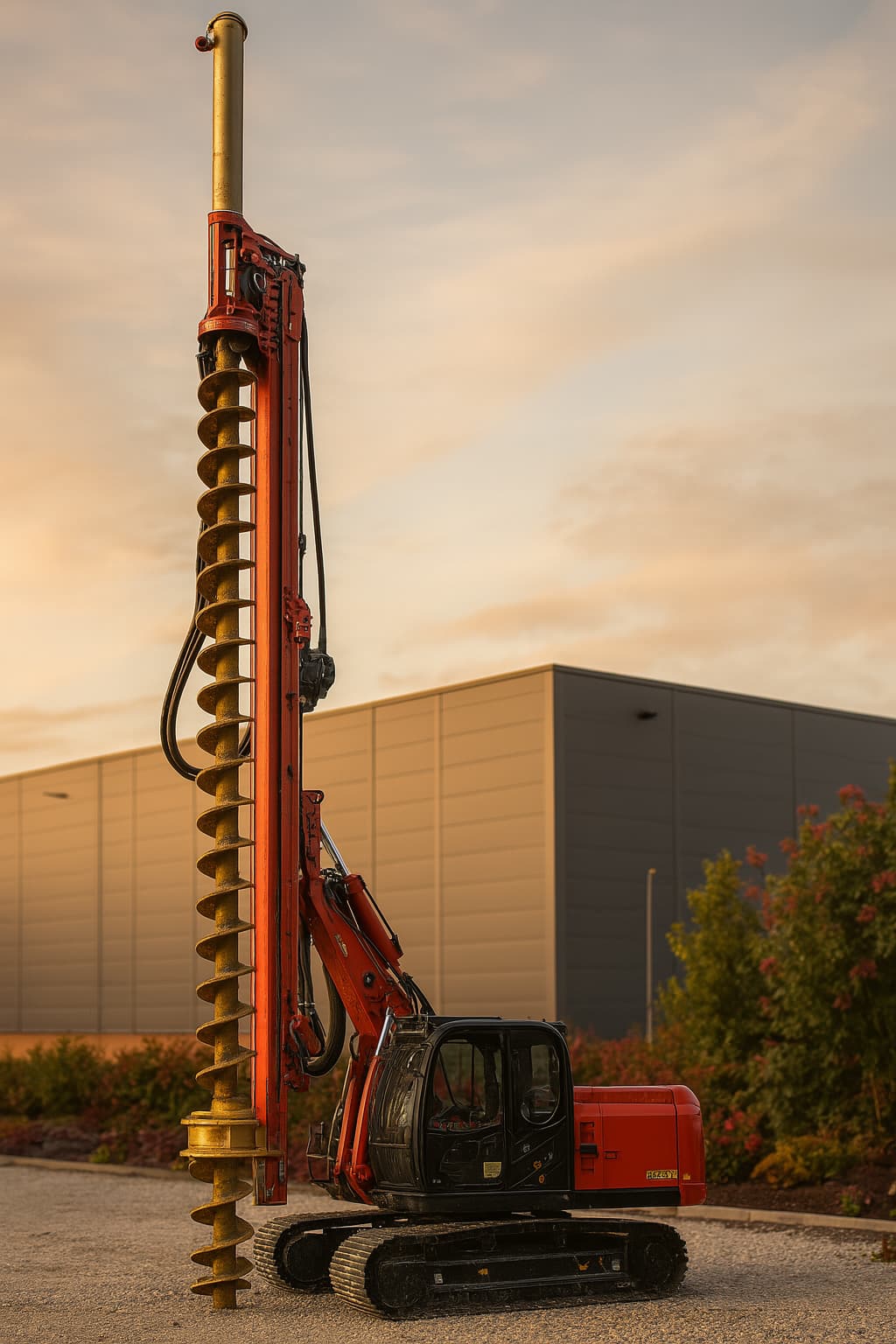
The design of pile foundations must also conform with local codes and construction standards, which differ by region. Designers need to include considerations such as earthquake risk, wind pressures, and possible flooding into their foundation design. By considering these factors upfront, building crews can avoid expensive revisions and delays during installation. Collaboration with geotechnical engineers and structural engineers throughout the design phase enhances the foundation's efficiency and safety.
Finally, methods must be thoughtfully planned to ensure efficiency and precision. Developing a well-defined installation schedule that outlines each step—from site preparation and pile driving to load testing—is vital for timely project delivery. Moreover, utilizing modern technology such as robotic pile load testing and surveillance systems can enhance installation accuracy and provide live feedback to contractors. This comprehensive approach to setup and design helps ensure that piling foundations perform well over the duration of the building, reinforcing their vital role in skyscraper construction.