Handling your financial situation can often feel overwhelming, especially in a world where outgoings often to constantly outweigh income. For Discover more here of people, the journey from debt to wealth is more than a wish but a realistic goal that can be realized with the appropriate approaches and insights. Grasping financial literacy is essential; it is the base upon which you can establish a stable and prosperous financial future. This guide will discuss various aspects of financial literacy, providing you with the tools and expertise needed to manage your financial situation.
As you start this adventure, you will find successful ways to design a personal management plan designed to your way of life. Whether you are an private citizen looking to enhance your financial standing or a entrepreneur seeking to enhance your bottom line, understanding the craft of organizing money smartly is crucial for lasting success. From planning an effective budget and monitoring expenses to establishing attainable financial goals, this write-up will offer beneficial advice to help you change your financial future.
Understanding Finance Management
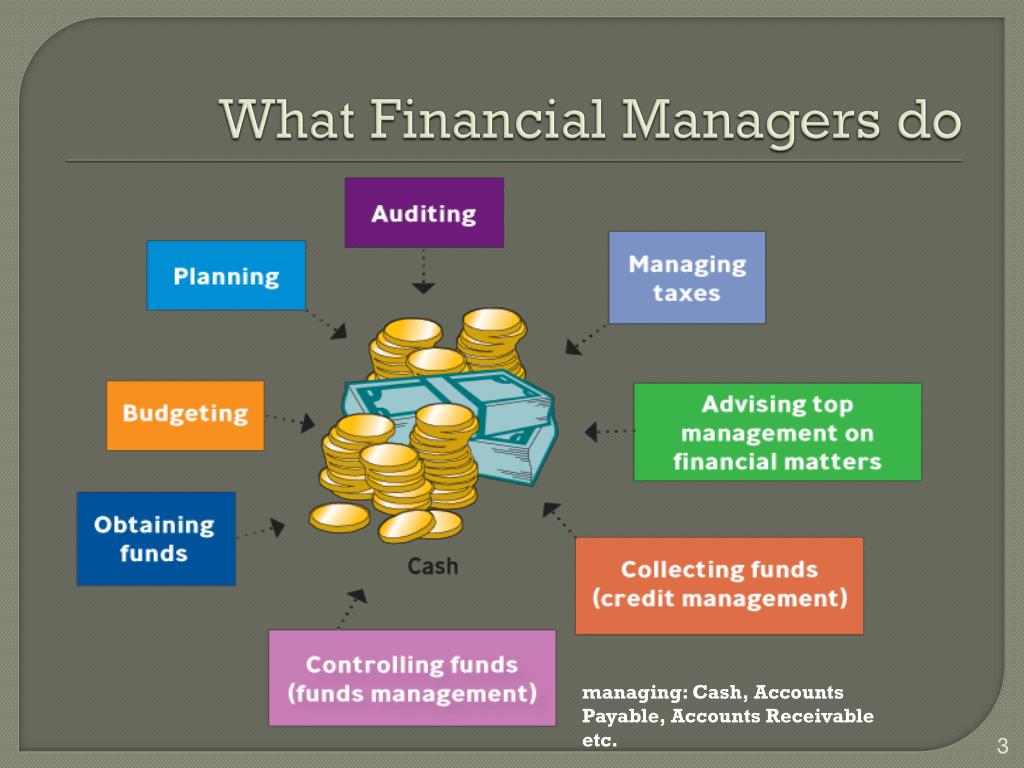
Finance management is the method of structuring, coordinating, leading, and controlling the financial processes of an individual or an entity. This includes the overseeing of financial resources, investment decisions, capital structure, and budgeting. Effective finance management is vital for attaining financial stability and sustainability, allowing individuals and businesses to maneuver through challenges while seizing opportunities for growth.
At its essence, financial management aims to enhance the value of an entity by making educated decisions based on data analysis and future projections. It entails creating financial strategies that align with goals, assessing performance through financial statements, and ensuring that resources are used efficiently. Grasping the concepts of finance management enables individuals to make sound economic decisions that contribute to long-term wealth creation and security.
The importance of finance management goes beyond just monitoring expenses; it also involves planning for the long-term. Effective finance management helps people and businesses predict potential financial results and prepare for unexpected challenges. By developing a comprehensive grasp of financial management, you can foster a forward-thinking approach to your finances, which is essential for transforming your financial prospects.
Formulating a Private Financial Plan
Building a personal financial plan is vital for gaining financial well-being and enduring wealth. Commence by evaluating your current financial situation, encompassing your income, expenses, assets, and liabilities. This detailed evaluation provides a definitive picture of where you are and helps reveal areas for improvement. It is important to separate between your necessities and wants, as this constitutes the cornerstone for making informed financial decisions.
Once you have a solid understanding of your financial status, establish achievable financial goals. These goals can be temporary, like saving for a vacation, or long-term, such as retiring happily or buying a home. It is crucial that your goals are definite, measurable, achievable, relevant, and time-bound. By defining explicit objectives, you can develop actionable steps to attain them, such as increasing your savings rate or lowering unnecessary expenditures.
Finally, keep an eye on your progress and modify your plan as needed. Regularly reviewing your financial plan allows you to stay on track and adapt to potential changes in your life, such as a new job, a raise, or unexpected expenses. Use tools like budgeting apps or spreadsheets to keep tabs on your finances. Remember, a private financial plan is not static; it develops with your life circumstances, helping you to maintain financial health and work towards your goals successfully.
Strategies for Efficient Money Management
One of the most important approaches for efficient money management is to formulate a comprehensive budget that aligns with your financial goals and lifestyle. Start by keeping track of your income and expenses to pinpoint where your money is going. Use this information to distribute funds wisely for essential needs, savings, and discretionary spending. A well-structured budget not only helps you prevent overspending but also acts as a guide for reaching your financial objectives.
Another vital strategy is to establish an emergency fund. This savings buffer is designed to handle unexpected expenses or financial emergencies, providing peace of mind and financial stability. Aim to save at least three to six months' worth of living expenses in a isolated, easily accessible account. An emergency fund safeguards you from debt accumulation during unforeseen circumstances and allows you to manage your finances more confidently.
Ultimately, learn about dealing with debt wisely. Prioritize paying off high-interest debts first and think about consolidating loans if it lowers your interest burden. Regularly assess your financial progress and adjust your strategies as needed to boost your financial health. By employing these effective money management approaches, you can transform your perspective to personal finance and create a secure financial future.