

In an era where city expansion and infrastructure upgrades are more crucial than ever, horizontal drilling has emerged as a groundbreaking technology that transforms the way we deploy utilities and construct networks. This advanced method allows for the placement of pipes, cables, and other essential infrastructure with minimal surface disruption, making it ideal for high-density areas. As cities continue to expand and develop, understanding the science behind directional drilling and its numerous applications is essential for both engineers and decision-makers.
From reducing environmental damage to enhancing project efficiency, directional drilling offers a wide range of benefits that traditional excavation simply cannot match. This article will explore into the key benefits of directional drilling, investigate its applications in various sectors including telecommunications and sustainable energy, and provide insights into the technologies and techniques that make it possible. By examining the complete process of directional drilling in detail, we will uncover why this method is becoming the favored option for modern infrastructure projects and how it can influence the future of construction and utility installation.
Primary Benefits of Inclined Drilling
Directional drilling offers countless benefits that make it a popular method for placing utilities. One of the key benefits is the minimal land disruption it causes. Unlike traditional trenching techniques, which can lead to significant upheaval of earth and existing structures, inclined boring enables precise and controlled subsurface applications. This is especially helpful in city areas where space is scarce, and preserving surface integrity is essential for traffic flow and local enterprises.
A further, important benefit is the efficiency of the inclined drilling process. The technique enables extended and more complex drill paths, lessening the need for multiple installations and facilitating the embedding of infrastructure in a single sweep. This not only reduces construction timelines but also decreases total work and machinery expenses associated with more conventional methods. Projects that might have taken weeks with traditional techniques can often be wrapped up in a matter of days with horizontal boring.
Ecological protection is also major advantage of horizontal boring. By reducing the extent of excavation and soil disruption, directional boring aids reduce soil erosion and protect local ecosystems. Additionally, it lowers the chance of surface water pollution and environment disturbance, matching with increasing ecological standards and community preferences for sustainable construction practices. As city environments and fragile landscapes continue to grow, the importance of these environmental advantages will only increase.
Directional Borehole Techniques and Processes
Directional borehole encompasses several sophisticated methods that allow drillers to move through complex underground settings. One key technique is the employment of rotary steerable systems, which allow operators to keep exact control over the borehole trajectory. This system incorporates adjustable pads that can move the bit in various directions without needing to pull out the drill string, facilitating smoother curves and reducing the likelihood of striking barriers. The capability to guide in real-time enables improved precision and effectiveness during the borehole process.
Another essential technique is the use of subsurface surveying instruments, which provide crucial information on the drill's position and orientation. These tools, such as gyro and magnetic devices, help drillers adjust their trajectory in response to fluctuating ground environments. Grasping the exact position and angle of the bit is crucial for ensuring that the pipeline being installed is accurately where it needs to be. The integration of these tools into the borehole process significantly improves the dependability of the operation.
Lastly, the selection of drilling liquids plays a crucial role in the borehole drilling method. Horizontal Directional Drilling Armagh Northern Ireland of specific drilling muds helps to chill the bit, stabilize the wellbore, and clear debris from the site. Different ground conditions may demand varying fluid compositions to achieve optimal efficiency. Good management of the fluid not just backs the engineering aspects of drilling but also aids to ecological safeguarding by avoiding the pollution of surrounding soil and water table. Each of these techniques and procedures works in unison to make advanced drilling a extremely effective method for contemporary building and infrastructure setup projects.
Implementations and Case Studies
Directional drilling has found significant applications across various sectors, particularly in metropolitan environments where surface impact must be minimized. One prominent use is in the deployment of data lines. By employing directional drilling, professionals can lay lines beneath already established infrastructure without the need for major excavation, ensuring that traffic and daily activities proceed uninterrupted. This method has proven beneficial in densely populated areas where conventional excavation would be problematic and expensive.
Another significant application is in the laying of drinking water lines. Directional drilling allows for the installation of these essential utilities with minimal surface impact, which is particularly advantageous in areas with existing infrastructure. Research from cities that have adopted HDD for pipe laying have shown reduced project timelines and reduced restoration costs, demonstrating the approach's efficiency. In one instance, a city area completed a critical water line installation several weeks ahead of schedule, showcasing the expediency benefits of employing directional drilling.
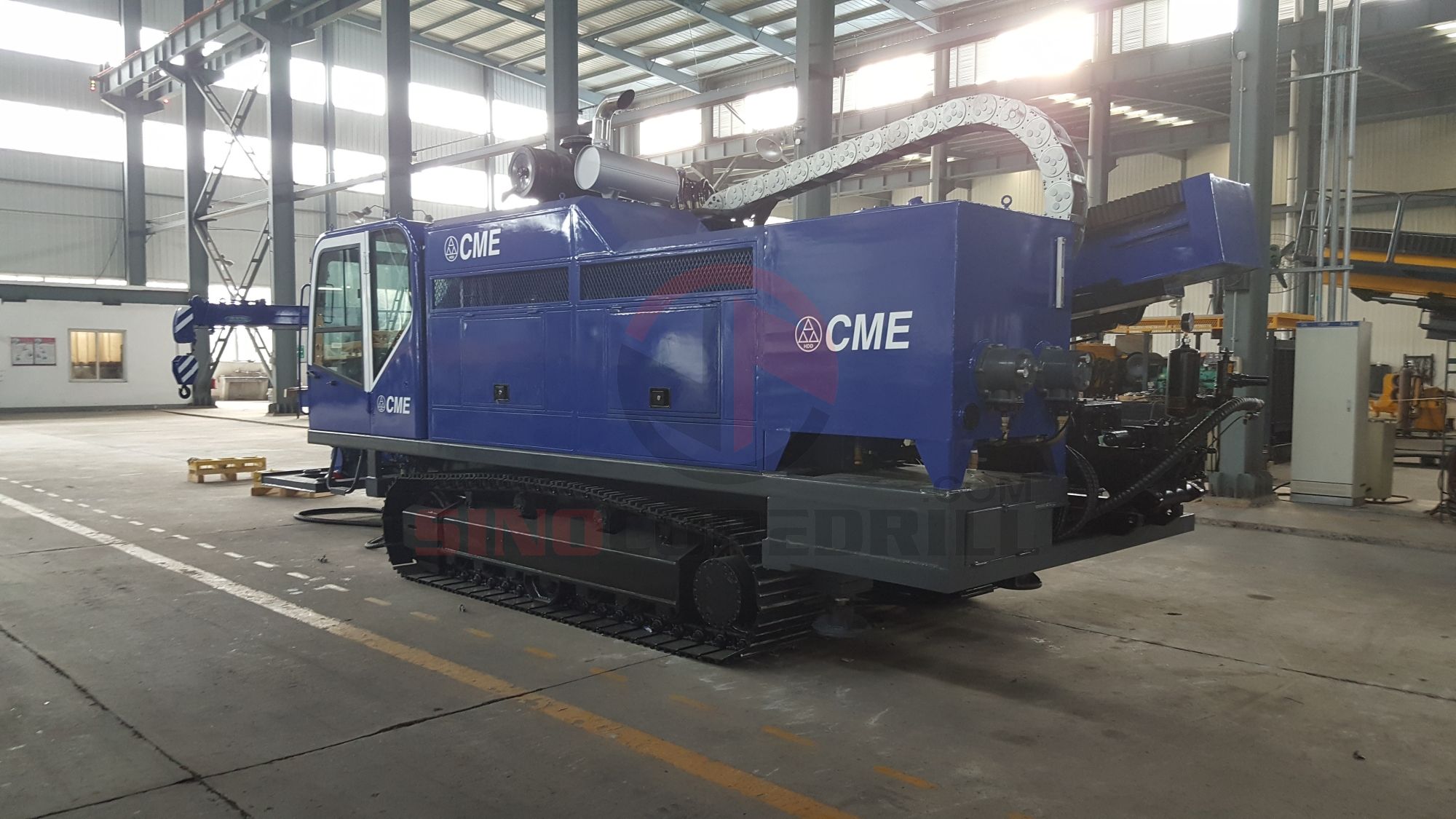
Finally, directional drilling is progressively utilized in green energy projects, such as the installation of geothermal energy infrastructure. In a recent case study, directional drilling techniques allowed the placement of piping systems for renewable energy sources beneath residential areas without interfering with homes or local businesses. The effectiveness of these projects showcases directional drilling's flexibility and its role in supporting sustainable infrastructure developments while protecting the environment and community interests.