

When it comes to creating a comfortable environment for your business, the appropriate commercial air conditioning system holds a critical role. Considering the many various options out there, making the most suitable choice can appear overwhelming. Whether you manage a thriving office, a retail store, or a large warehouse, the efficiency and efficiency of your air conditioning system can greatly impact not only your operational costs but also the well-being and productivity of your employees and customers.
In this document, we will examine essential factors to consider when picking a commercial air conditioning system for your business. From understanding the important differences between commercial and residential systems to gaining insight about the most recent technological advancements in the field, this article seeks to deliver you with the information you need to make an educated decision. Additionally, we'll discuss the numerous perks of investing in a high-quality air conditioning system, including energy efficiency tips and maintenance practices to increase its lifespan. Come along as we discuss the considerations that will help you select the correct system fitted to your specific business needs.
Selecting the Appropriate System
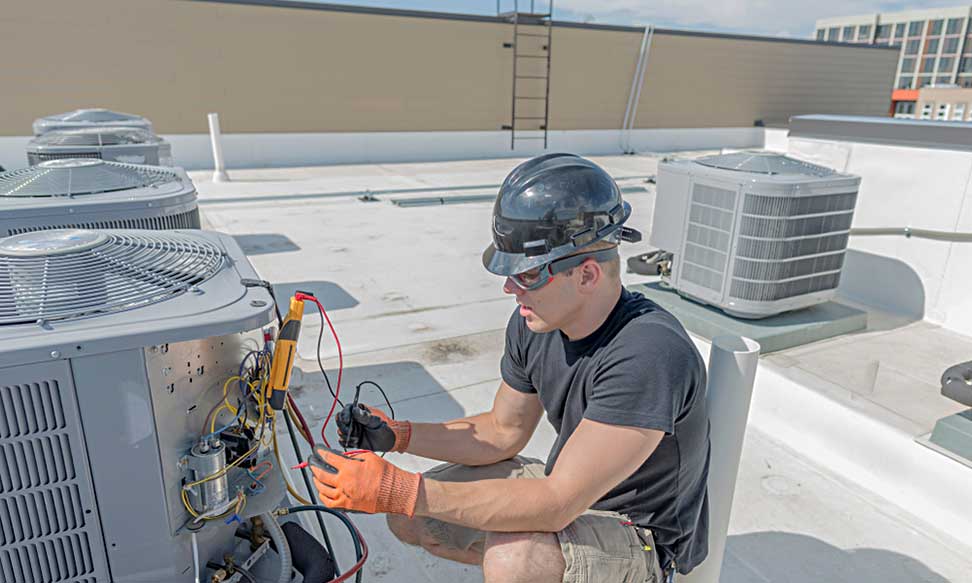
Choosing the appropriate commercial air conditioning system for your company is critical for guaranteeing ease, effectiveness, and cost savings. Start by assessing the size of your area, as this will directly affect the cooling capacity you need. Larger structures may necessitate more powerful systems, such as Variable Refrigerant Flow (VRF) or multi-split systems, while smaller offices might be sufficiently supported by packaged units or ductless mini-splits. Consider factors such as the layout of your area, the insulation quality, and the number of people, as these will influence the air conditioning load and the overall system selection.
Next, evaluate your unique needs regarding energy efficiency and operational costs. Search for systems that offer high Seasonal Energy Efficiency Ratio (SEER) ratings, which indicate better performance and lower energy usage. Additionally, think about whether you want to spend in smart systems that allow for remote monitoring and control, enhancing your ability to manage energy use effectively. It’s essential to weigh the initial investment against long-term savings to find a compromise that suits your budget and sustainability goals.
Finally, don't overlook the significance of consulting a reliable commercial air conditioning contractor. They can offer expert advice into the best systems available and help you navigate the complexities of installation and maintenance. A professional evaluation will ensure that you choose a system customized to your specific business environment, taking into account factors such as local climate, usage patterns, and regulatory compliance. Spending time in this selection process will result in in greater comfort and reduced energy costs for years to come.
Benefits of Commercial AC
One of the significant rewards of putting in a commercial air conditioning solution is the boost of employee comfort and output. A thermally optimized temperature enables workers to concentrate better on their tasks without the distractions caused by high heat or humidity. This creates an optimal working environment that not only aids in maintaining morale but also elevates overall performance within the workplace.
Additionally, noteworthy benefit of commercial air conditioning is its potential to boost indoor air quality. http://www.newcastleaircon.co.uk/best-Commercial-Air-Conditioning-tyne-and-wear are equipped with filtration technologies that minimize dust, allergens, and pollutants moving in the air. By offering pure, conditioned air, businesses can create a more pleasant environment for both employees and customers, which is crucial for cultivating well-being and reducing health-related absences.
Moreover, investing in a dependable commercial AC system can lead to long-term cost savings. Contemporary air conditioning units are built with energy efficiency in mind, helping to reduce energy bills significantly. By utilizing smart technology and adjusting settings, businesses can minimize their carbon footprint while enjoying the financial advantages of lower operating costs. This makes commercial air conditioning not just a convenience feature, but a intelligent financial investment for the long term.
Power Efficiency and Maintenance
Energy efficiency is a key aspect when picking a industrial air conditioning unit. Choosing for systems with high Energy Efficiency Ratios (EER) and Seasonal Energy Efficiency Ratios (SEER) ensures lower energy consumption and reduced utility bills. Additionally, explore units that employ variable refrigerant flow (VRF) technology, which facilitates for greater energy efficiency by varying the refrigerant flow in accordance with the necessary cooling load. Putting resources in eco-friendly models not only favors your budget but also supports green sustainability.
Routine upkeep plays a vital role in enhancing the performance and durability of industrial air conditioning units. Implementing a scheduled maintenance plan helps to spot and resolve potential issues before they escalate, ensuring the system operates at maximum efficiency. Scheduled tasks such as replacing filters, cleaning coils, and examining ductwork can greatly boost airflow and system performance. Organizations should focus on frequent inspections to ensure systems functioning efficiently and minimize unexpected repairs.
Energy efficacy and proper maintenance methods combined can significantly influence your commercial space's well-being and operational costs. By being vigilant about your maintenance routines and choosing units designed for power savings, you will also encourage a more comfortable working space but also add to a better bottom line. Additionally, think about training your team on easy maintenance inspections to enable them to recognize when expert attention might be needed, also boosting your system's reliability and performance.