

Stone has been a fundamental construction material for many years, esteemed not only for its endurance but also for its timeless beauty. As homeowners seek to create areas that reflect both design and strength, the art of stone masonry arises as a critical skill in the art of construction. From grand buildings that have endured the challenges of time to welcoming outdoor patios that encourage gatherings, stone masonry offers countless possibilities for enhancing both the artistic and utilitarian aspects of any premises.
In this article, we delve into the realm of rock masonry, examining key techniques and classic designs that every homeowner should know. Whether you are thinking about a gorgeous rock fireplace as the centerpiece of your living room or planning the creation of a durable retaining wall in your garden, knowing the details of stone masonry will equip you to make wise decisions. Join us as we reveal the skill behind rock structures, compare natural and manufactured options, and deliver essential insights into selecting the right rock mason for your next project.
Essential Stone Masonry Techniques
Stonemasonry is an elaborate craft that requires a sharp eye for detail and a thorough understanding of materials. One crucial technique is the proper selection and processing of rocks. Masons must take into account aspects like durability, feel, and color to make sure the selected stone matches the architectural style. Techniques such as sawing, chiseling, and molding stones are key, allowing masons to attain accurate fits that create both structural integrity and visual appeal.
Another important technique is the use of mortar, which serves as the binding agent in stonemasonry. Understanding the different types of mortar, including lime and cement options, enables masons to select the right mix for specific conditions. Properly mixing and applying mortar not only holds the stones in position but also impacts the durability and weather resistance of the build. Techniques like repointing and finishing are crucial for preserving existing stonework, making certain that the mortar stays effective over the years.
Lastly, mastering the skill of stratifying and joining is crucial for achieving a cohesive look and strong structure. Techniques differ between dry-stacked and cemented walls, each presenting unique challenges and benefits. A skilled mason will pay close attention to the arrangement of stones, ensuring that weight is distributed evenly and that the joints are filled for optimal strength. This comprehensive understanding of stratification helps create not only durable structures but also visually appealing stonework that can enhance any structure.
Opting for and Engaging a Stone Worker
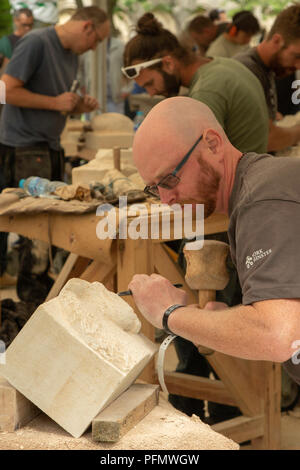
Finding the right masonry professional for your task is crucial to guarantee quality skills and a favorable conclusion. Start by asking for recommendations from friends, local contractors who have knowledge with masonry. Digital feedback and scores can also provide information into a contractor's reputation. When refining your options, look for professionals who focus in the exact type of stone project you are planning, whether it’s a fireplace, deck, or restoration work.
Once you have a shortlist of possible options, conduct interviews to assess their skills and method. Question about their experience with related work, methods employed, and the kinds of resources they customarily work with. It’s also crucial to talk about timelines, as well as whether or not they are able to adjust to your job's. A dependable masonry professional should be open about the procedure and willing to answer any queries you have concerning your goals and their qualifications.
Finally, don’t neglect to verify licenses and liability coverage. A well-regarded masonry professional should be licensed and covered, protecting both you and the professional in case of problems or issues. Ask for comprehensive estimates that specify the project scope, resources, and labor costs. This will not only help you stick to your cost limit but also permit you to compare services and make a better selection.
Maintenance and Repair of Stone Structures
Upkeeping rock constructions is vital to maintain their architectural beauty and structural integrity. Frequent cleaning is a basic task that helps avoid the buildup of greenery, fungus, and soil, which can lead to deterioration over time. Stone Conservation Worcester Worcestershire should use mild cleaning solutions fit for natural stone and avoid harsh chemicals that may impair the surface. Additionally, inspecting for cracks or signs of damage is necessary; any identified issues should be taken care of without delay to stop more significant damage.
Rehabilitation is a specialized process that typically involves experienced stone masons who grasp the details of the material. When restoring historic stone buildings, it is essential to replicate the existing stone as accurately as possible in both style and makeup. Techniques may comprise repairing or substituting stones, repointing mortar joints, and ensuring proper drainage to safeguard against damp problems. This process not only returns the structure back to existence but also protects the heritage significance of the building.
In the end, putting resources into the upkeep and repair of stone structures enhances their longevity and significance. Carefully preserved stonework not only provides a strong visual statement but also shows the skill that goes into creating such timeless edifices. Homeowners should focus on a preventive approach, organizing regular maintenance checks and planning for restoration needs in a timely manner to protect their properties for years to come.