

Within the current rapidly evolving construction industry, employee safety is a major concern, especially in dangerous environments where falls constitute a serious threat. One of the most effective protective solutions available is safety netting, a crucial component of fall protection systems that not only safeguards workers but also boosts overall project efficiency. With an rising number of construction sites being erected at greater heights and in more challenging environments, understanding the importance and application of safety netting cannot be overemphasized.
Safety netting functions as a vital safety net, both literally and figuratively, preventing falls and ultimately saving lives. From short-term installations on job sites to the integration of long-term solutions for infrastructure projects, safety netting has a central role in safeguarding workers and limiting liabilities. As we explore the many aspects of safety netting, including regulations, installation best practices, and its role in modern safety plans, it becomes clear that investing in proper safety netting is not just a matter of adherence but a essential responsibility for all construction professionals.
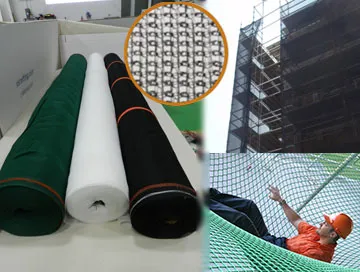
What Is Safety Netting and Its Importance
Safety netting is a critical component of fall protection systems used in dangerous jobs, particularly in edifice and maintenance work at high heights. It consists of meshes crafted from long-lasting synthetic substances intended to catch items and halt falls of workers from heights. The nets are tactically placed where employees are likely to be facing fall hazards, providing a safeguarding barrier that can save lives and lessen injuries.
The importance of safety netting is paramount, as falls from height are among the top reasons of workplace accidents and fatalities. By introducing safety netting, employers not only safeguard their workers but also lower the risk of liability and potential lawsuits stemming from workplace incidents. When adequately installed and maintained, safety nets serve as an effective level of protection, ensuring that workers can perform their tasks with greater confidence.
Furthermore, safety netting improves overall site safety culture. It acts as a visible indicator of the commitment to worker safety and encourages compliance with safety protocols. Workers who consider safe are typically more productive and engaged, contributing to improved project outcomes. Therefore, including safety netting into building projects is vital for safeguarding employees and upholding efficient work environments.
Types and Standards of Safety Netting
Safety netting comes in various types, each crafted for particular uses within the construction and manufacturing sectors. The standard types include traditional safety nets, which are used for overall fall protection; debris nets, created to catch falling tools and materials; and catch nets, used in demolition and refurbishment projects. Moreover, there are customized nets specifically designed for areas with unique hazards or requirements, such as those found in bridge or tunnel construction. Understanding these differences is crucial for selecting the appropriate netting for a given job site.
When it pertains to standards, safety netting must meet specific standards set by agencies such as OSHA in the United States. These standards define the minimum design requirements, testing methods, and installation guidelines to guarantee worker safety. Contractors must be familiar with these standards to stay compliant and prevent penalties. This also includes knowledge about load ratings and the conditions under which safety netting is considered effective.
Adequate installation and maintenance of safety netting are vital to its performance. Regular inspections are necessary to detect any wear and tear, ensuring that the nets remain functional and effective over time. Adhering to safety protocols in installation and compliance checks is essential for maximizing the protective benefits of safety netting, ultimately safeguarding workers and minimizing liability.
Best Techniques for Safety Nets Installation
When setting up protection nets, it is essential to start with a thorough site assessment to pinpoint possible hazards and determine the best locations for netting. This evaluation should take into account factors such as job height, nearness to edges, and the activities being conducted. By comprehending these variables, contractors can set up the safety netting efficiently to decrease risks and ensure that workers are adequately protected.
The setup process should follow the recommended guidelines and best practices to achieve optimal performance. This includes correctly securing the netting to prevent sagging and ensuring that the anchors are secure and sound. Routine inspections during the installation process are essential to spot any problems that may undermine the netting’s integrity. These inspections help maintain a strong level of safety and conformity with regulations.
In conclusion, training workers on the importance of safety netting and its appropriate installation is vital. https://safetynettingoxfordshire.uk/ should be cognizant of how to identify issues with the netting and comprehend the protocols for reporting any damage or wear. By fostering a culture of safety and awareness, contractors can enhance the effectiveness of safety netting systems and contribute to a more secure work environment for all workers.