

Recently, oral implants have become recognized as a revolutionary solution for those wanting to renew their facial aesthetics and improve their dental well-being. In contrast to conventional dentures or dental bridges, dental implants present a sustainable and secure alternative for substituting lost teeth. full mouth dental implants but also greatly aids in overall oral functionality. With advancements in technology and an increasing number of victories, more people are thinking about dental implants as a viable alternative for preserving their dental health.
As we investigate the world of dental implants, we will discuss what they are, how they work, and the myriad of perks they offer over alternative teeth restoration methods. From the post-operative care and maintenance to the financial considerations and innovative advancements, this guide will equip you with all the knowledge needed to arrive at an intelligent conclusion. Whether you’re curious about enhancing your smile or worried about the durability and maintenance of dental implants, you’ll find insightful insights that highlight why they are undoubtedly the future of dental care. ### Grasping Oral Implants
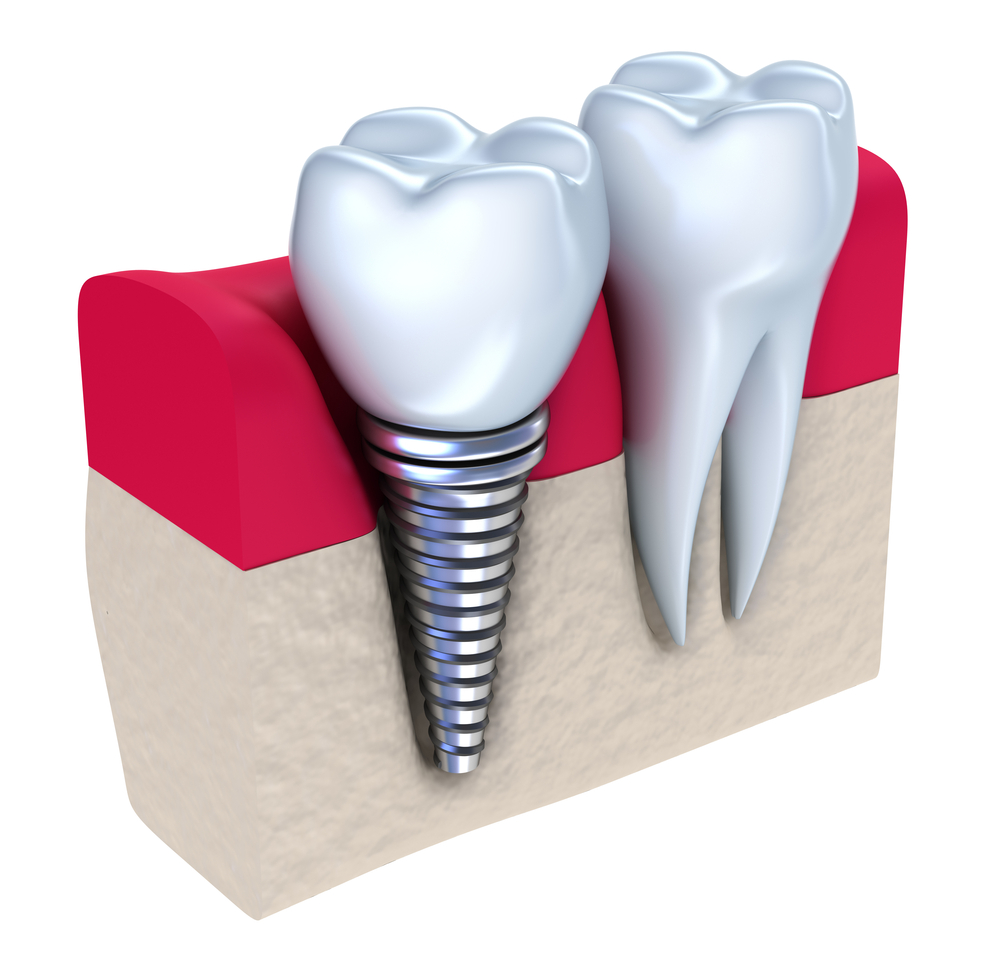
Oral implants represent an innovative answer for missing teeth , delivering a long-lasting and practical method to improve dental health . Essentially , a tooth implant includes a surgical post surgically inserted into the bone of the jaw, serving as a replacement for the root of a lost tooth. This rod is safe for the body, meaning it bonds effectively into the bone, creating a strong foundation for a crown , dental bridge , or denture to be secured later. The procedure imitates the anatomy of natural teeth, yielding both aesthetic and functional benefit over standard tooth restoration techniques.
The main purpose of these implants consists of to reinstate not only the look of a missing tooth as well as its function . Utilizing an implant, patients can benefit from improved ability to chew and a natural feel while biting and talking . This is vital for maintaining a diet encompassing a variety of foods , which can be challenging when using removable dentures . Furthermore, dental implants help to preserve the structure of the mandible , stopping the bone loss that often occurs when a tooth is missing .
One of the key elements of implant dentistry is their durability. With the right care and maintenance, such implants can remain effective for years, often throughout a lifetime. Such durability makes them a significant investment for numerous patients . The growing popularity of these implants in recent years is due to their high success rates , technological advancements , and the various options available tailored to meet individual requirements . As more individuals search for efficient solutions to combat tooth loss, grasping tooth implants is crucial for those considering options to restore their smiles .
Advantages of Tooth Implants
Dental implants give a variety of advantages over traditional tooth replacement options like false teeth and bridges. A of the key benefits is their capability to work like natural teeth. They are secured firmly into the bone of the jaw, which offers stability and avoids the movement that can occur with dentures. This stability allows for improved chewing efficiency, enabling patients to enjoy a wider range of foods without discomfort.
Additionally key advantage of dental implants is their durability and longevity. With appropriate care, implants can endure for a long time, which makes them a economical choice in the long term. Unlike false teeth, which may require renewal or adjustment over the years, they typically do not require such maintenance. This enduring investment offers peace of mind for patients who value both function and appearance in their dental well-being.
Furthermore, they contribute positively to overall oral health. They encourage the jawbone, preventing the bone loss that commonly happens after losing teeth. This maintenance of bone structure maintains the form of the facial structure, avoiding the collapsed look that can result from tooth loss. Additionally, dental implants support surrounding teeth and improve oral hygiene by removing the need for messy adhesives or the issues associated with flexible dentures. In summary, the advantages of dental implants make them a compelling choice for those seeking a reliable and efficient solution for replacing teeth.
This Oral Implant Procedure
This oral replacement tooth process generally begins with a thorough consultation, in which the oral surgeon examines your dental health and talks about your individual needs. Such an initial assessment could involve X-rays or 3D imaging to evaluate the bone structure and spot any potential issues that could affect the procedure. In this stage, you will also consider the various options available, including the type of implant best appropriate for your condition.
When the planning is complete, the actual surgical surgery is scheduled. The procedure usually entails placing a titanium rod into the bone, which serves as a root for the crown. This step is performed under anesthesia to ensure comfort. After the placement, a healing period ensues, during which the implant integrates with the bone, a process known as osseointegration. This recovery time can last several months, but it is important for the long-term effectiveness of the replacement tooth.
After the healing process, a prosthetic tooth is tailored and attached to the implant. This final step restores function and aesthetics to your facial features. After surgery follow-up visits are crucial to check the device's integration and confirm everything is recovering properly. Proper maintenance and maintenance during this recovery period can significantly enhance the success of your dental implants, leading to a healthier, more confident smile.